




This article was originally published in the Brand Finance Brazil 100 Report 2026.
Soft power, as conceptualised by Harvard Professor Joseph Nye, refers to a nation’s ability to influence others through attraction and persuasion rather than coercion. In an increasingly interconnected and multipolar world, it has become a critical strategic asset, shaping how countries are perceived, how they attract investment and talent, and how they build long-term diplomatic and economic relationships.
The Brand Finance Global Soft Power Index (GSPI) 2026 provides a comprehensive benchmark of these perceptions, based on a survey of over 150,000 respondents across more than 100 countries. The Index evaluates 193 United Nations member states across 55 metrics, making it the world’s most extensive study of nation brand perceptions.
In this context, Brazil rises two positions to rank 29th globally, reflecting a gradual strengthening of its international profile despite continued global uncertainty. The country’s performance is underpinned by a balanced combination of cultural influence, diplomatic engagement, and emerging climate leadership, reinforcing its role as a visible and increasingly relevant global actor.
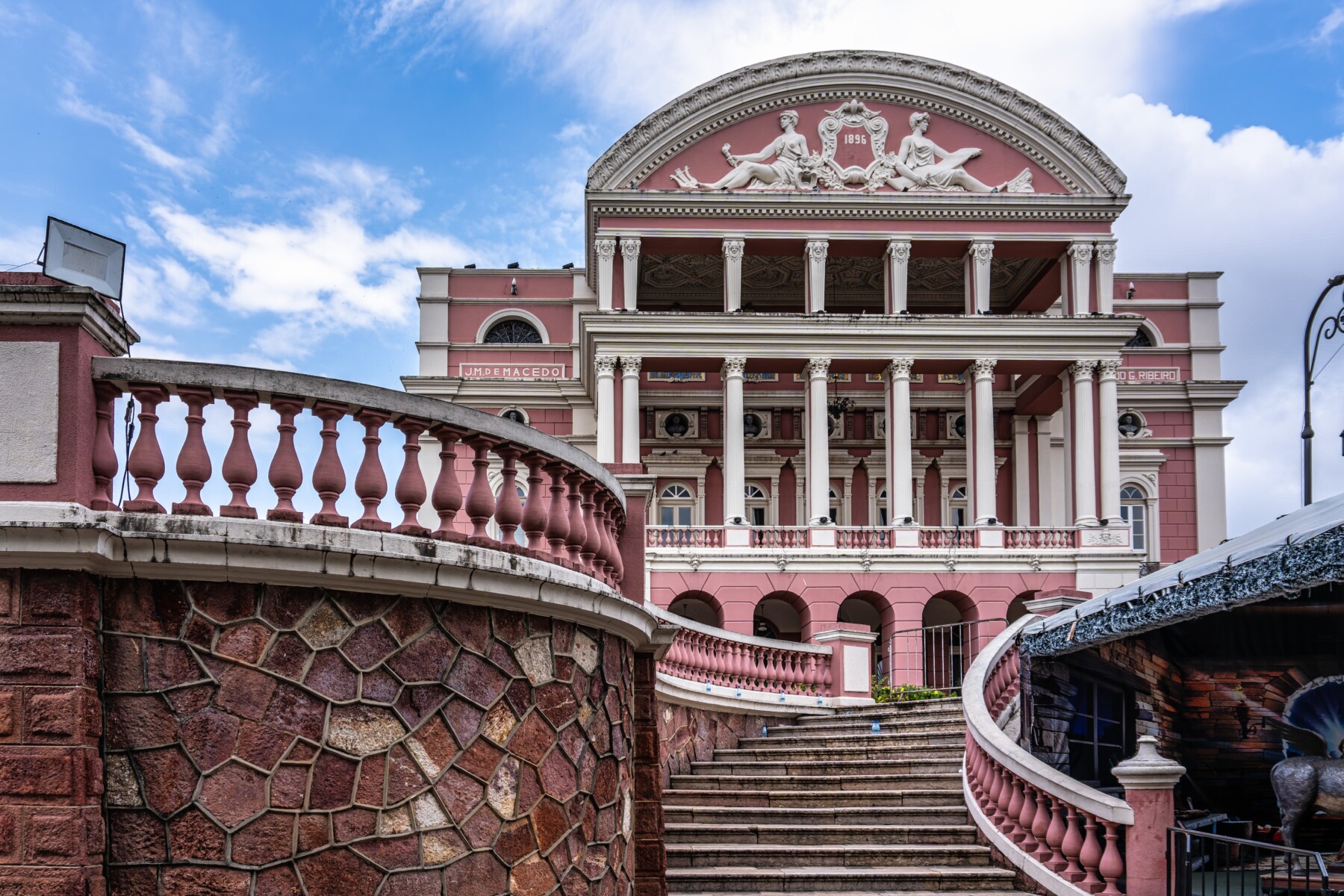
Culture remains the cornerstone of Brazil’s soft power identity and its most powerful differentiator. Ranking 11th globally in the Culture & Heritage pillar, Brazil continues to project a highly distinctive cultural narrative shaped by music, Carnival, football, and cuisine. These cultural expressions are not only symbols of national identity but have also evolved into global cultural reference points. Carnival has become a globally exported cultural experience, influencing tourism strategies, entertainment formats, and festival economies worldwide, while Brazilian music genres continue to shape global soundscapes and digital culture trends. Football remains a dominant pillar of global recognition, reinforcing Brazil’s position as one of the world’s most emotionally resonant sporting nations.
Beyond culture, Brazil is steadily strengthening its diplomatic footprint, reflected in its improved ranking in International Relations to 33rd. The country is increasingly positioning itself as a constructive intermediary in global affairs, particularly through expanded participation in humanitarian assistance, technical cooperation, and defence-related engagement. Brazil’s international cooperation efforts have included the provision of essential aid such as food, medicines, vaccines, and emergency support to countries across Africa, Asia, the Caribbean, and Latin America, reinforcing perceptions of Brazil as a country willing to actively contribute to global stability and development outcomes. This has contributed to improved perceptions of Brazil as a “helpful nation”, strengthening its diplomatic credibility and expanding its soft power influence beyond traditional regional boundaries.
Climate diplomacy is also emerging as a defining pillar of Brazil’s evolving soft power strategy. Hosting COP30 in Belém has significantly elevated Brazil’s visibility on global environmental governance, particularly on issues such as Amazon protection, biodiversity preservation, and Indigenous rights. This positioning strengthens Brazil’s narrative as a bridge between developed and emerging economies in global climate negotiations. As a result, Brazil climbs to 43rd in the Sustainable Future pillar, supported by improving perceptions of environmental protection and green energy transition initiatives.
Overall, Brazil’s soft power trajectory reflects a strengthening convergence of cultural resonance, diplomatic engagement, and climate leadership. However, while symbolic influence is clearly expanding, the long-term challenge lies in translating cultural visibility and climate advocacy into sustained policy influence and deeper institutional partnerships at the global level.