





This article was originally published in the Brand Finance Global Top 250 Hospitals 2026 report.
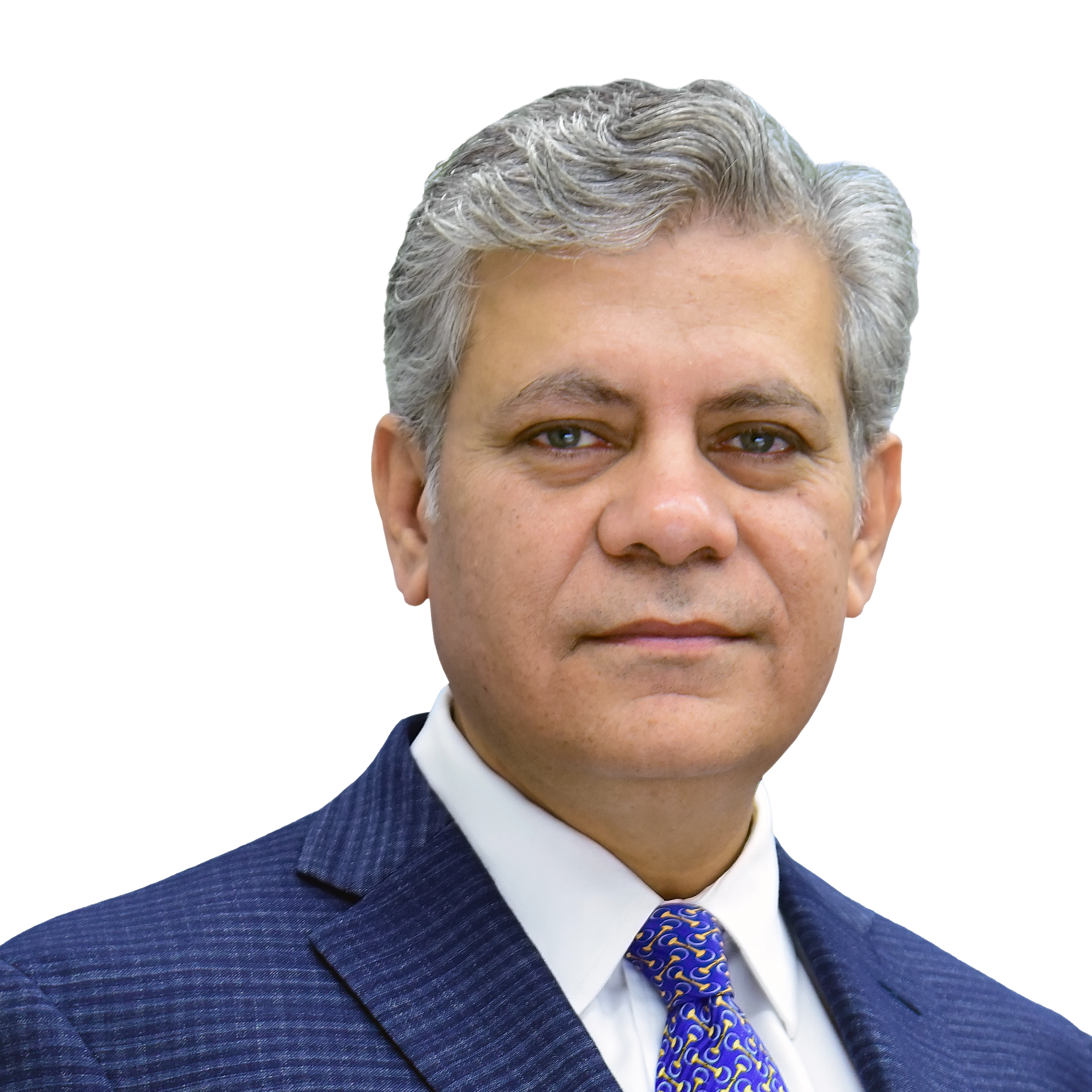
Chief Executive Officer,
The Aga Khan University Hospital, Pakistan
Interview with Dr. Farhat Abbas
What are your perspectives on The Aga Khan University Hospital (AKUH) Pakistan’s current strength and reputation? As a national leader, how do you perceive its differentiation within the industry?
To understand AKUH Pakistan’s strength and reputation, it is important to return to the founding vision of the Aga Khan University. At that time, the founding Chancellor recognised that while Pakistan had many small healthcare institutions, there was no central institution capable of integrating healthcare delivery, education, training, and research. The idea was not simply to establish a hospital, but a teaching hospital that could lead development across these areas.
This vision was shaped by a fundamental ethical question: should people in low- or middle-income countries accept a lower standard of healthcare and education than those in high-income countries? From the outset, the answer was no. The Aga Khan University (AKU) did not aim to provide “good enough” services for a constrained environment, but to pursue the best possible international standards, regardless of geography.
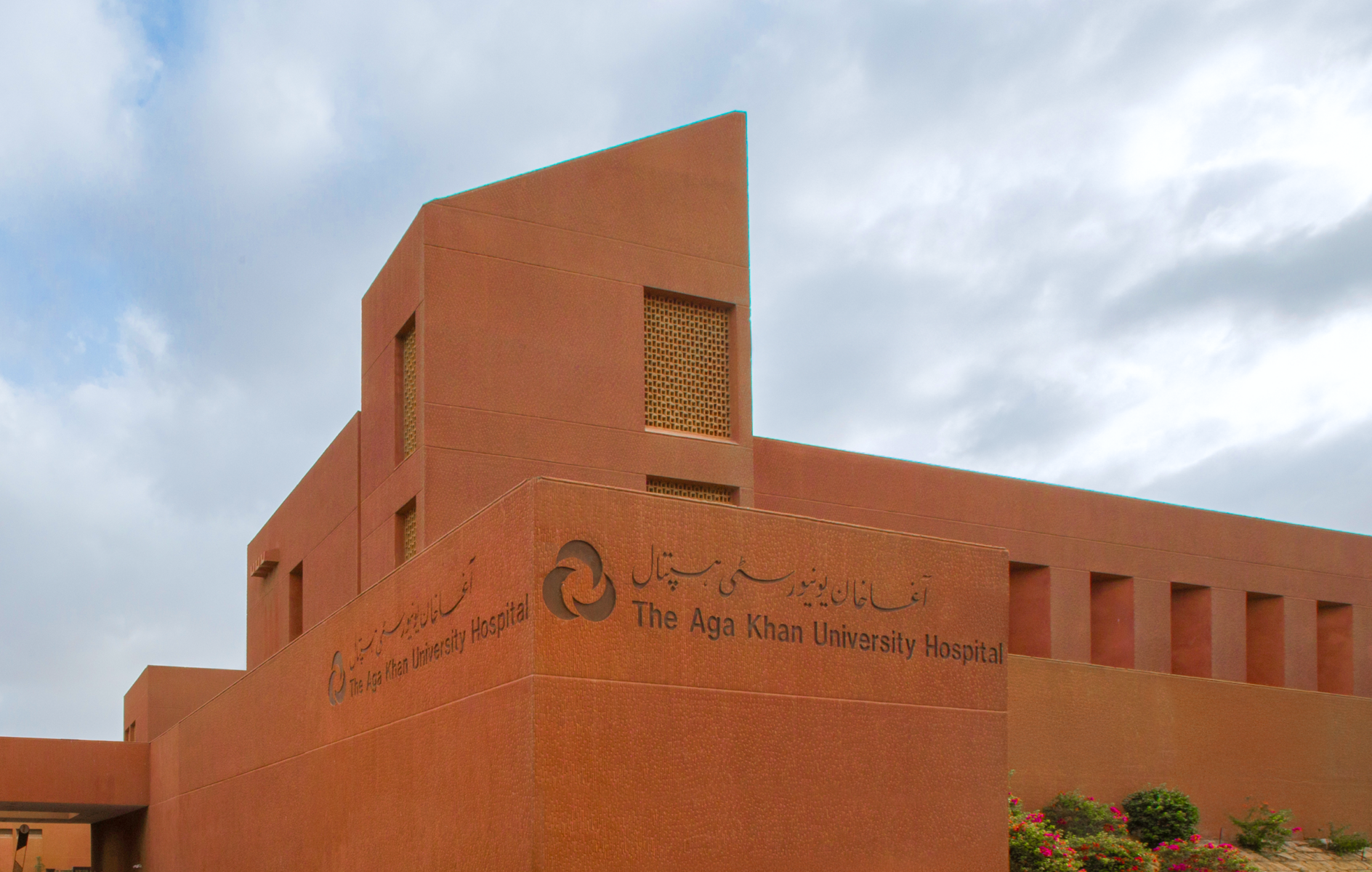
Over time, this vision expanded into Pakistan’s first private university. The School of Nursing opened in 1981, the Medical College in 1983, and the hospital began operations in 1985 as a tertiary care facility. The integration of education, research, and clinical services remains one of AKU’s most important differentiators.
AKU does not benchmark itself locally or regionally. Instead, healthcare operations, academic programmes, and research are measured against international standards. As part of AKDN, this approach has led to long-standing partnerships with governments, the World Bank Group, the UNICEF, WHO, and other leading institutions globally.
Another important differentiator is AKUH’s academic medicine model. Clinical services are closely linked with research and education, informed by local disease burdens and healthcare realities. AKUH was instrumental in establishing structured postgraduate medical education in Pakistan and now runs around 80 residency and fellowship and internship programmes.
Beyond Pakistan, this model has been replicated across multiple contexts. Today, the Aga Khan University operates in six countries and is among the largest private healthcare providers in Pakistan, Kenya, and Afghanistan. Each context brings different challenges, but the same underlying approach: applying globally benchmarked standards while adapting to local realities. Finally, AKUH’s not-for-profit status underpins its credibility. There are no shareholders or dividend pressures. Any surplus generated by health services is reinvested into education, infrastructure, technology, quality improvement and patient welfare.
As one reflection from Brand Finance’s discussion with AKUH highlighted, there is an interesting parallel here with institutions like Johns Hopkins Medicine, which use their skills, reputation, and systems to expand into new markets. AKUH is doing something similar across diverse and often challenging contexts, offering a potential blueprint for how leading institutions in lower income markets can have impact at scale without compromising standards.
What role does trust play in AKUH Pakistan’s strategy, and how do you build and maintain it across patient groups, as well as with wider stakeholders such as academic, corporate, and international partners?
Trust cannot be built overnight. It takes decades to earn and can be lost very quickly. At AKUH, trust is not treated as a separate strategy; it is the result of consistently doing the right thing.
Historically, the institution has taken a conservative approach to communication, based on the belief that trust is built through experience rather than messaging. Patients and partners trust AKUH because of what they see and experience through their interactions with the system. Trust is reinforced through strong governance and systems. AKUH has robust mechanisms for patient feedback, complaints handling, adverse event reporting, and safe disclosure, all reviewed at Board level.
Trust is also evident in AKUH’s relationships with governments and international agencies.
One example that illustrates this came during recent changes in Afghanistan, when international agencies were reassessing how humanitarian and health funds could be distributed.
In that context, the Aga Khan Development Network (AKDN) was approached to help channel and manage support, reflecting the level of confidence placed in its governance, neutrality, and operational capability.
A central element of trust is AKUH’s commitment to access and equity. From the beginning, the hospital has operated a patient welfare system based on need. In 2025, we gave financial support to 1.57 million people, worth USD31 million.
Crucially, AKUH operates a single standard of care. Clinicians do not know whether a patient is receiving welfare support, and all patients receive the same diagnostics, treatment, and clinical attention. This consistency is fundamental to maintaining trust.
AKUH Pakistan is guided by the principles of Quality, Relevance, Access, and Impact. How were these principles developed, and to what extent were they shaped by your long-term ambitions versus local healthcare needs and realities?
These guiding principles are rooted in the founding vision of the Aga Khan University and the wider Aga Khan Development Network. They are not abstract concepts, but values embedded over decades.
Quality is non-negotiable and benchmarked internationally. Access reflects a commitment to serve populations often excluded from high-quality healthcare and education.
Relevance ensures that programmes and research respond directly to local needs and disease burdens. Impact extends beyond service delivery to include wider social, economic, and public benefit outcomes.
These principles balance long-term ambition with local realities rather than choosing between them.
For organisations developing guiding principles, the key lesson is alignment. Principles must reflect what an organisation is genuinely trying to achieve and must be lived through its operations and decision-making. When this alignment exists, guiding principles become drivers of sustained impact rather than statements on paper.