




This article was originally published in the Brand Finance Technology 100 Journal 2026.
Rupert Kemp, Director in the Office of the CEO at Google DeepMind, shares his perspectives on AI’s evolving impact on marketing in a new interview with Brand Finance.
What’s the biggest shift you expect AI to bring to marketing over the next few years?
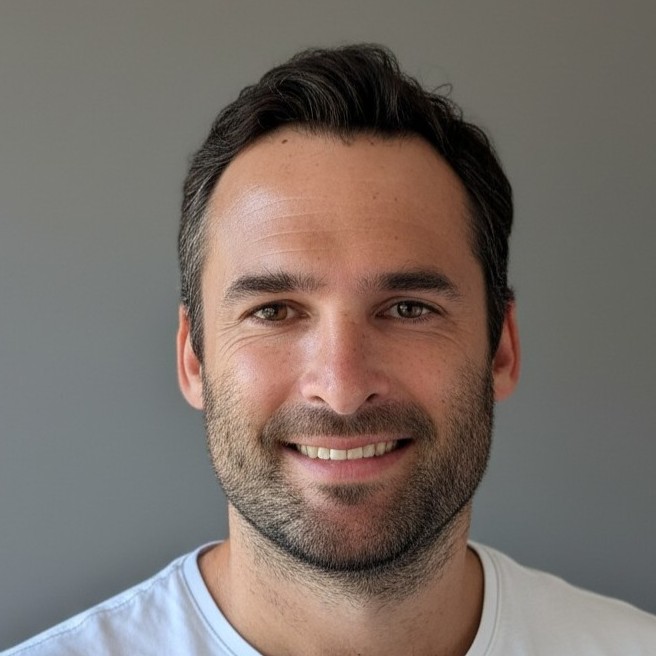
Director of the Office of the CEO
at Google DeepMind
I don’t think there’s a single dramatic shift where everything suddenly changes. What I do see is the tools marketers use evolving very quickly. That’s already started, but the maturity of those tools is going to accelerate. We’re moving towards a point where a lot of marketers will feel they can put together reasonable campaigns or ideas very rapidly on their own. That naturally raises questions about what that means for the wider industry, for example agencies. What role they play, where they add value, and where brand owners might prefer to prototype ideas internally first. But I still think there will be agencies; I just think what they do and how they do it will change as these tools become more accessible to everyone.
A lot of people worry that AI will decimate the industry and put people out of work. Do you see it that way, or more as an evolution?
I see it much more as an evolution. Predicting the future is impossible, but I feel the same way about this as I do about creative industries more broadly. These tools make it easier for people to get ideas out into the world and express themselves, especially people that felt they were not able to in the past, but that doesn’t mean everyone suddenly becomes equally creative.
I still believe the most creative and strategic minds will produce better, more compelling campaigns. What may change is how and where that value is added. I believe professionals will still bring something extra, whether that’s creative judgment, strategic thinking, or market understanding.
Can you describe how creative roles might change in practice and are you already seeing these changes?
I think designers and creatives will make the best use of these tools, because they already understand what good looks like. We’re seeing new skills emerge, for example, some people are becoming excellent prompters. They know what they are looking for, and they know how to describe their ideas clearly, and they can get a lot out of these models. As a result those skills are increasing in value with the use of these technologies.
We’re also seeing changes in creative processes already, particularly in digital development. The way people prototype ideas has completely changed. Instead of developers spending weeks building something, you can now create a simple version very quickly and test whether an idea is interesting or viable.
What advice would you give to brands that are starting to explore AI?
My biggest piece of advice is to allocate it some time and be open to learning. The worst thing a company can do right now is be completely ignorant of what is going on. It’s still early days, and that doesn’t mean you have to adopt everything, but you should try to understand what’s happening and see if it’s useful for you. That understanding shouldn’t just sit with leadership or technical teams.
There’s a real need for AI literacy across organisations, much like how digital literacy became important during earlier technology shifts. Understanding the strengths and weaknesses of these systems puts you in a much better position to make stronger decisions as things develop.
Is there anything in the AI industry right now that particularly excites you?
I’m very excited about personal AI assistants that can genuinely help people across a wide range of tasks. Beyond that, some of the scientific breakthroughs happening right now are extraordinary. AlphaFold is a great example - it transformed protein folding and won a Nobel Prize.
Looking ahead, I think we’ll see more breakthroughs in areas like healthcare, materials science, climate modelling, and energy. Those are the projects that really excite me, because they go beyond individual use cases and can help us solve some major challenges in the world today.