




This article was originally published in the Brand Finance Global Soft Power Index 2026.
China’s continued rise in global soft power reflects a shift from narrative-driven influence to performance-based reputation. As economic competitiveness, cultural creativity and international engagement increasingly converge, China’s national brand is being shaped by measurable outcomes, lived experiences and policy coherence rather than messaging alone.
Interview with Wu Liming and Goa Wencheng
In this exclusive interview with Brand Finance, representatives from China’s Xinhua News Agency shares how innovation-led growth, globally competitive brands, cultural IP and people-to-people exchanges are reinforcing China’s soft power, and how alignment between capability and credibility is translating development momentum into sustained global influence.
China has risen rapidly in global soft power rankings. What fundamentally explains this momentum?

Chief Correspondent of China's Xinhua News Agency London Bureau
China’s growing soft power is rooted in consistency between words and deeds. Today, soft power is not merely about storytelling; it is above all about tangible delivery. International perceptions increasingly form through observable outcomes—how policies perform over time, how industries compete globally, and how openness translates into real access.
China’s development trajectory has entered a phase where its results are difficult to ignore. Economic resilience, technological upgrading and expanding global engagement have combined to produce experiences that external audiences can independently verify.
How do China’s industrial and technological advances translate into soft power rather than just competitiveness?
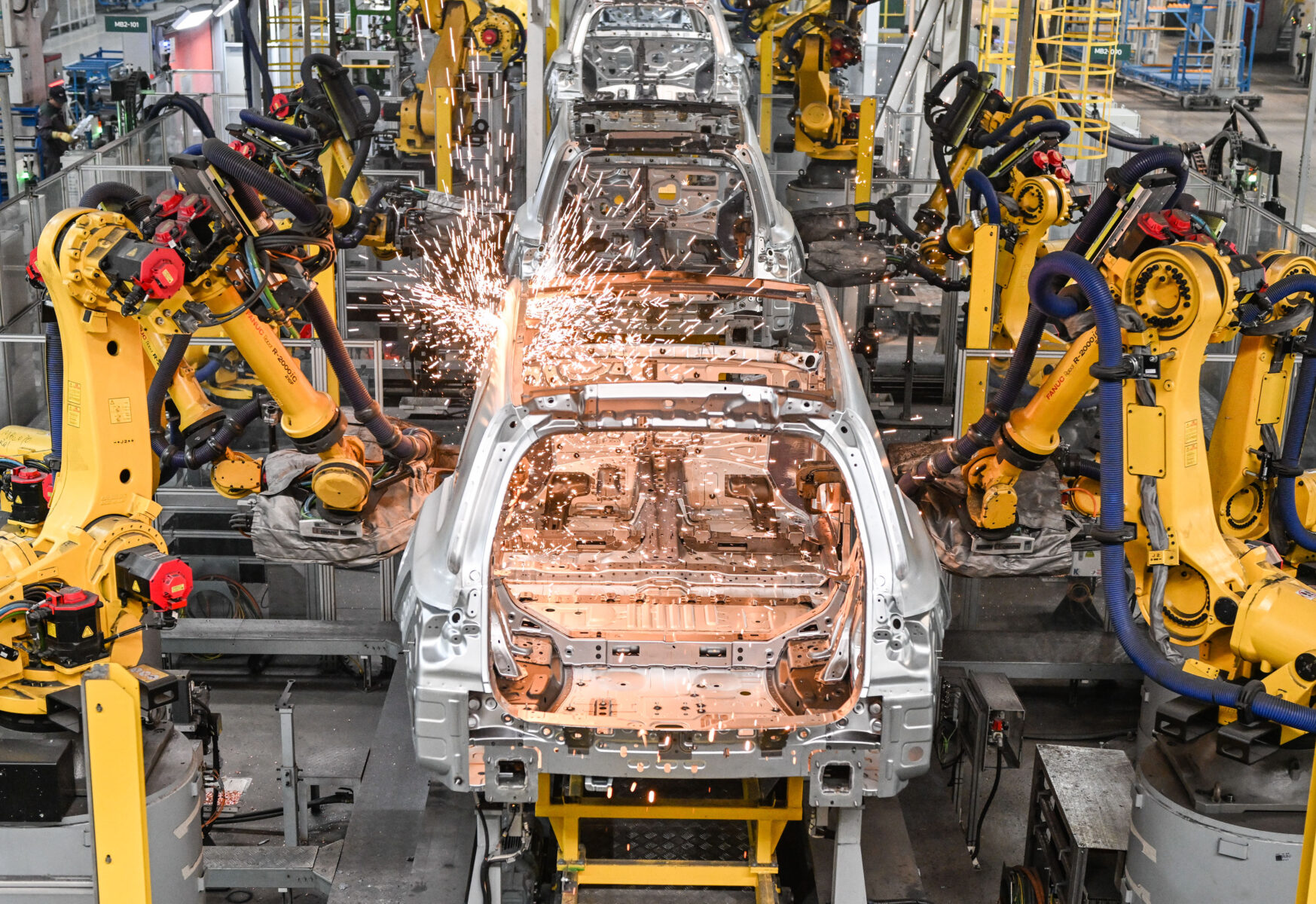
Industrial leadership becomes soft power when it reshapes expectations. China’s electric vehicle sector offers a clear example. In 2025, Chinese automaker BYD surpassed its long-established global competitor Tesla to become the world’s largest seller of pure electric vehicles by annual volume. This marked the first time a Chinese brand led global EV sales on a full-year basis, following an earlier quarterly breakthrough in late 2023.
The shift is not symbolic but structural. Chinese manufacturers are redefining global competitiveness by leveraging scale, cost efficiency, and tightly integrated supply chains alongside rising standards of quality, design, and technological sophistication. Their products are no longer valued for price alone, and they are reliable, visually compelling, and technologically “cool,” contributing to strong performance in Europe and rapid expansion across Latin America and Southeast Asia.

Correspondent of China's Xinhua News Agency
London Bureau
This distinctive model of innovation combines a deep talent pool, an extensive manufacturing ecosystem, and powerful economies of scale, enabling breakthroughs in sectors from electric vehicles—where large-scale production supports autonomous mobility and component leadership in lidar and sensors—to pharmaceuticals, where widespread clinical participation and reinvestment accelerate innovation.
This evolution is reshaping global perceptions of “Made in China.” What was once associated primarily with manufacturing capacity is increasingly linked to system-level innovation -- the ability to design, produce and iterate complex technologies at scale. As these products become part of daily life worldwide, industrial credibility is converted into soft power, building trust and familiarity through lived consumer experience.
How is China’s cultural soft power evolving beyond traditional forms?
China’s cultural influence is increasingly driven by contemporary creativity alongside its civilizational heritage. While traditional culture continues to attract global interest, modern cultural IP has become a new vector of soft power, especially among younger audiences.
Designer toys, animation, gaming and cross-border collaborations have demonstrated how Chinese creativity can travel without translation. Characters like Labubu originating from a single store in Beijing now enjoy strong resonance across European markets and beyond, illustrating how storytelling, design and emotional connection can transcend geography.
What stands out is not only global acceptance, but authenticity. These cultural products are distinctly Chinese without being inward-looking, reinforcing the idea that contemporary Chinese culture can be playful, emotionally resonant and globally legible.

What role do brands, consumer experience and tourism play in shaping China’s national image?
Brands and mobility have become central to how countries are perceived. Chinese brands increasingly function as everyday touchpoints, at work, on the road and in popular culture, making China more familiar and less abstract to global audiences.
Tourism amplifies this effect. The expansion of visa facilitation policies has significantly increased inbound travel. One year after the introduction of a 240-hour visa-free transit policy, inbound foreign arrivals reached over 40 million, representing year-on-year growth of more than 27 percent. The number of travelers benefiting from the optimized policy rose by over 60 percent compared with pre-adjustment levels.
Firsthand exposure, transport systems, urban life, consumer services and cultural diversity, often proves more influential than mediated narratives. As access widens, perceptions become grounded in personal experience rather than assumption.
How does China’s approach to global cooperation reinforce its soft power trajectory?
China’s soft power is strengthened by a results-oriented approach to international cooperation. Rather than emphasizing ideological alignment, China prioritizes connectivity, trade facilitation and development capacity.
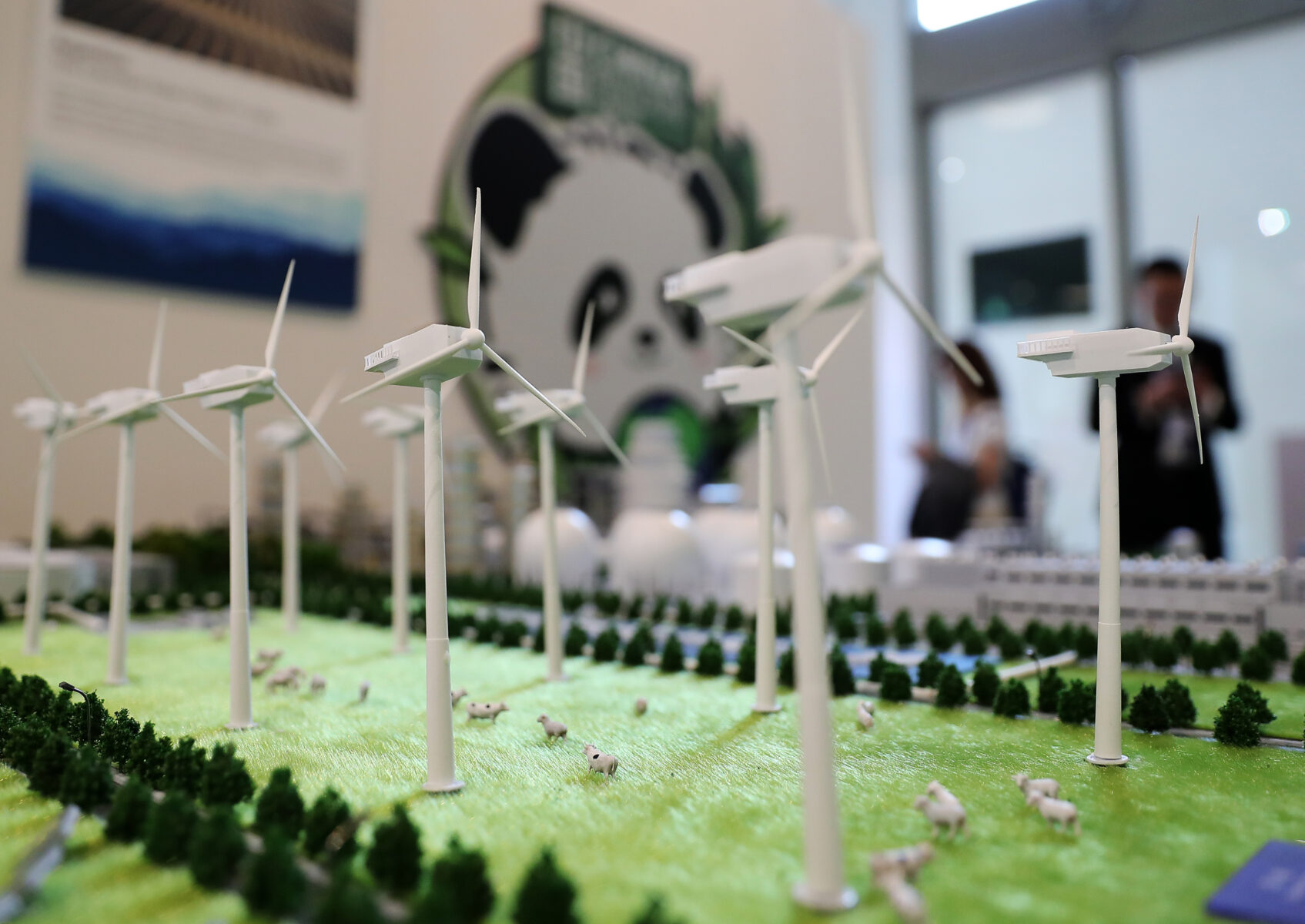
Infrastructure projects, trade platforms and global initiatives gain credibility when they deliver visible benefits. For many partners, China’s development experience offers reference value, not as a template, but as evidence that modernization paths can be diverse, pragmatic and context-specific.
Ultimately, China’s soft power derives from coherence: aligning industrial strength with openness, cultural confidence with inclusivity, and national development with global opportunity. This alignment enables China to project influence without coercion and to expand its global role through credibility rather than confrontation.